No items found.
No items found.
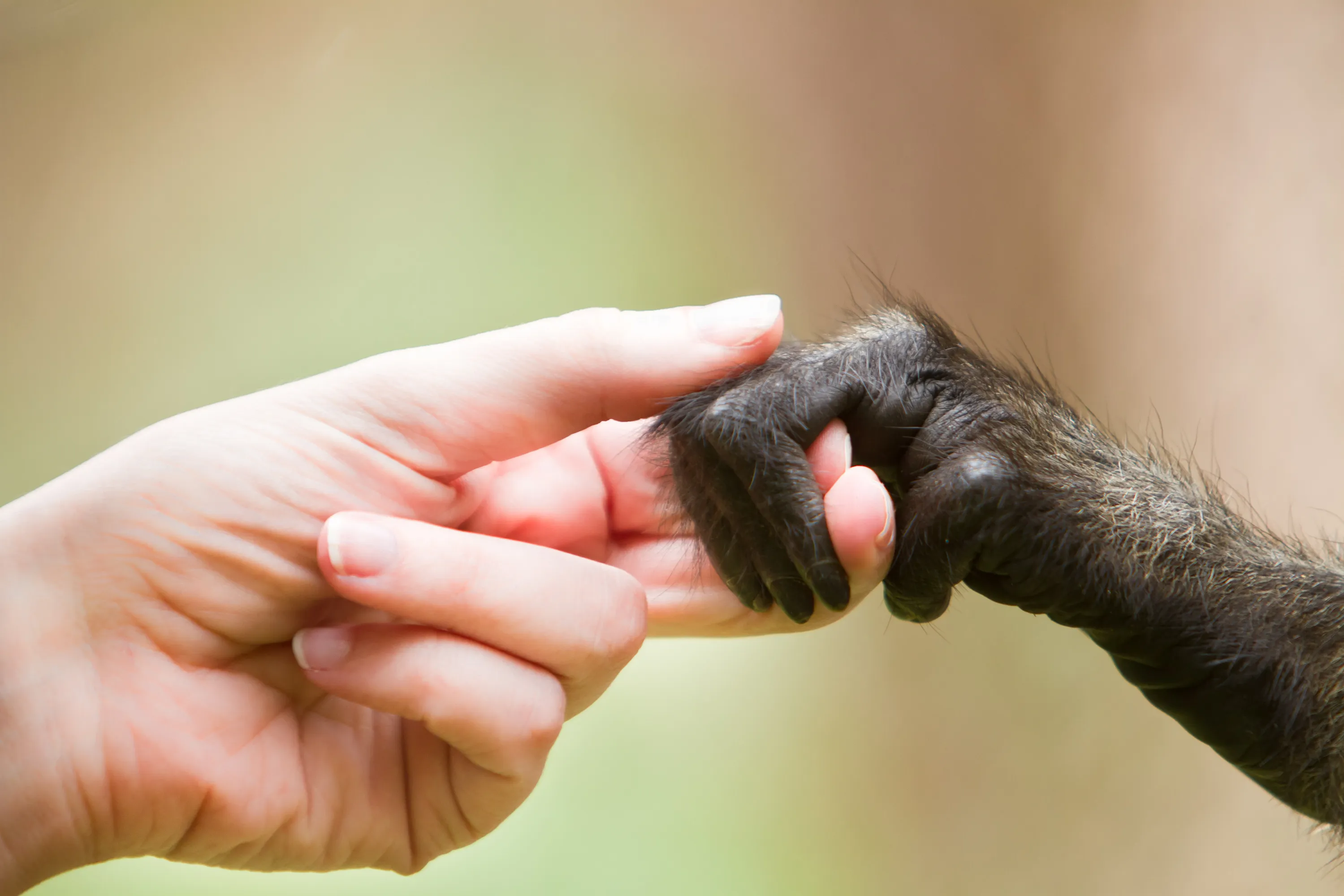
In human life, communication is an essential aspect of how we interact with one another. Proper communication in the human language allows us to successfully convey ideas, share emotions, and build sustainable relationships. Though as humans, we may believe that the best techniques are found in human communication, it is important to know animals also possess high-functioning communicative abilities. These abilities make it easy for them to transmit messages and establish trustworthy connections within their own species and others as well. By analyzing how they interact, we can improve our own presentations and interpersonal skills. Let’s explore some unique examples of animal communication and derive valuable lessons from them so we can better express our own messages.
Animals are great at communicating nonverbally in different instances of life. This is particularly common when animals establish dominance and when they resolve issues. For example, apes and gorillas make use of nonverbal auditory communication in order to maintain the social order within their group. When a silverback gorilla wants to assert dominance, he engages in chest beating. The resonating thumps of the chest can be heard from far distances and serve as an adequate warning for other gorillas in the area not to challenge his authority. Wolves also take on a similar strategy to establishing social hierarchy. A higher ranked wolf will be shown submission by lower ranked wolves through bowing, tail-tucking, and averting eye contact.
Both of these examples demonstrate how powerful nonverbal communication can be in regards to capturing attention and expressing intentions. In our own presentations, body language plays a pivotal role in communicating our messages. Paying attention to our posture, and maintaining eye contact can enhance the value of what we are saying. Using gestures in a purposeful manner to engage our audience can influence how well our message is received.
Though spoken language does not exist among animals, that is not to say they don’t depend on an array of complex vocalizations. Animals use sounds to communicate diverse messages between one another. Whales use belting and echoes as a means of signaling the same way birds use melodic song. These sounds on their own serve various purposes including territorial marking, warning of danger, and creating social boundaries. Prairie dogs use an alarm to let their community know whether a predator is approaching and are able to even identify the threat.
Just like animals, we can use vocalization to accurately show our emotions, create a level of authority, and build meaningful connections during our speech. By changing the levels of our tone, pitch, and pace, we are able to add depth to our presentations and enhance the overall resonance of our message. Doing so can better ensure that we gain the desired response from our audience when presenting.
Some animals communicate through different chemical signals, like pheromones and scent markings. Some of these scents offer specific information pertaining to identity, reproductive status, and warnings that can be important when confronted by other animals inside and outside of the species. For example, ants rely on a trail of pheromones to travel alongside colony members to food sources. This behaviour pattern allows them to be in sync with the rest of their family. Similarly, dogs use scent to establish territory and communicate.
Though we do not have the same olfactory capabilities, from a metaphoric sense, we can also use “scents” to our advantage. By using vivid imagery, sensory language, and becoming good storytellers, we can captivate our audience throughout the course of our presentations. When used in specific occasions, we can better convey our message and create a more lasting impression on our audience.
Like humans, animals have proven to have profound listening skills. They understand listening is important to maximize survival rate and better social cohesion. One particular animal species that relies on listening heavily is elephants. Elephants are hyper-aware of their surroundings because they receive low-frequency vocal signals from other elephants miles away. By listening to these signals, they are able to remain in tune with the rest of the herd and coordinate their travel patterns. In a similar fashion, wolves take time to listen to others' howling before adding to it.
Listening to our audience and providing empathy when necessary are important when communicating effectively. Taking into consideration the perspectives of others and understanding each individual’s concerns and feedback allow us to spread a message that coincides with their ideals. A sense of belonging is a central way in which we establish a dynamic relationship with our audience, and doing so allows us to spread a message in accordance with their beliefs.
In conclusion, animals provide us with valuable insight into communication. Their implementation of nonverbal cues, vocalizations, chemical signals, and listening are what make them phenomenal communicators. Animal communication systems teach us a lot about how we can be better communicators too. By using these own methods in our presentations, we can bridge the gap between delivering a strong message and having it register among the ears of our audience.
At Prezent, we have harnessed strategies for better communication from various different fields. All of our findings have been pieced together in the form of cohesive learn modules that can expand your learning. Schedule a demo today to gain access to these lessons and keep them in mind when delivering your next presentation or pitch.